Trump Burying the Epstein Case Shows He’s Not Calling the Shots
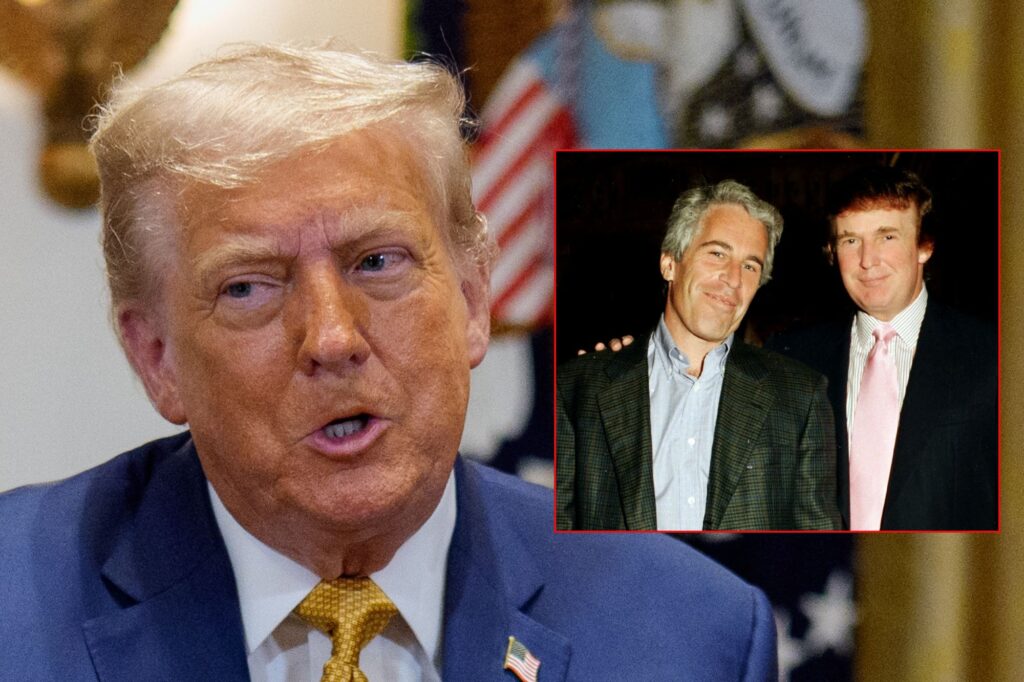
The Jeffrey Epstein case isn’t just a sordid tale of wealth, depravity, and privilege—it’s a glaring neon sign that our elected officials, including the president, aren’t the ones truly running the show. The sordid details of Epstein’s crimes—decades of trafficking and abusing young girls (and likely more heinous crimes), enabled by a web of powerful connections—point to forces far beyond the reach of any ballot box. These forces, cloaked in secrecy, seem to operate with impunity, and the evidence suggests they may reside within the intelligence community—possibly even a foreign one.
Trump said he would release the classified Epstein files if he were elected:
Trump’s FBI Director promised to release the Epstein files “on day 1”.
Trump’s Attorney General Pam Bondi promised the release of files in her media appearances in the first months of the Trump presidency:
Then, on Sunday night, following the Independence Day holiday, the DOJ leaked an unnamed memo to Axios stating that there was no “Epstein List” and that Jeffrey Epstein killed himself.
This raises a chilling question: If even a figure as brash as Donald Trump won’t, or can’t, dismantle Epstein’s network, what else are these shadowy powers dictating? And was Trump’s rise to power contingent on a deal to leave the Deep State untouched?

Epstein’s case is a masterclass in untouchability. Despite overwhelming evidence—court documents, victim testimonies, and flight logs tying him to global elites—he operated for decades without consequence. His 2008 plea deal, a slap on the wrist brokered by then-U.S. Attorney Alex Acosta, screams interference from above. Acosta later admitted he was told Epstein “belonged to intelligence” and to back off. Who gave that order? Not a senator, not a president, but someone—or something—with enough clout to make a federal prosecutor blink. The FBI’s 2019 raid on Epstein’s properties uncovered hard drives and binders of compromising material, yet no high-profile clients have faced charges. Epstein’s death—conveniently labeled a suicide—ensured silence. This isn’t coincidence; it’s choreography.
The intelligence community, particularly agencies like the CIA or even foreign entities like Mossad, has long been suspected of using figures like Epstein to gather kompromat on the powerful. His private island, wired for surveillance, and his connections to figures like Ghislaine Maxwell, whose father was allegedly linked to Mossad, fuel speculation of a foreign hand. If a foreign intelligence agency was pulling Epstein’s strings, it would explain why no one, not even a president, dares touch his network. The implications are staggering: a foreign power could hold leverage over American elites, from politicians to CEOs, effectively steering U.S. policy from the shadows.
Enter Donald Trump, a president who campaigned as an outsider ready to “drain the swamp.” His rhetoric promised a reckoning for the entrenched powers. Yet, despite his administration’s access to the same evidence we know exists—FBI files, victim lawsuits, and whistleblower accounts—Epstein’s clients remain free. Trump’s Justice Department re-arrested Epstein in 2019, but the case stalled after his death. No major indictments followed. Why? If Trump, with his reputation for defiance, won’t pursue Epstein’s network, it suggests one of two things: either he’s complicit, or he’s been neutralized by powers too formidable to challenge.
This leads to an unsettling theory: Was Trump’s 2024 victory, and his subsequent presidency, permitted only because he agreed not to take on the Deep State? The term “Deep State” is often dismissed as conspiracy, but Epstein’s case gives it flesh. Unelected operatives—most likely within intelligence agencies and possibly from other countries like Israel—seem to wield influence that overrides democratic will. Trump’s first term saw him clash with intelligence officials, from FBI Director James Comey to the CIA’s John Brennan, yet he never fully exposed or dismantled their networks. His second term, starting in 2025, shows little sign of revisiting Epstein’s case. Is this a tacit agreement to leave the Deep State alone, in exchange for power?
The broader implications are dire. If the Epstein network remains untouchable, what else are these hidden powers shielding? Are they dictating foreign policy, economic decisions, or even elections? The public’s trust in government is already eroded—polls show over 70% of Americans believe unelected elites hold too much sway. Epstein’s case confirms those fears, revealing a system where accountability stops at a certain altitude. If a president, even one as unorthodox as Trump, won’t or can’t confront these forces, then our democracy is a facade.
The path forward demands courage. Congress must launch a transparent investigation into Epstein’s network, declassifying all relevant FBI and CIA files. Whistleblowers from the intelligence community need protection to expose who protected Epstein and why. If foreign agencies are involved, the public deserves to know. And if Trump’s administration refuses to act, citizens must demand answers: What was the deal? Who’s really in charge? Until these questions are answered, the Epstein case will remain a festering wound, proof that the powerful answer not to us, but to shadows we can’t see.
Trump’s attempt at burying the Epstein case isn’t making it go away. It’s not going away. The only thing it did was show that Trump’s not calling the shots.