Did Trump Kill the Epstein Investigation for Israel?
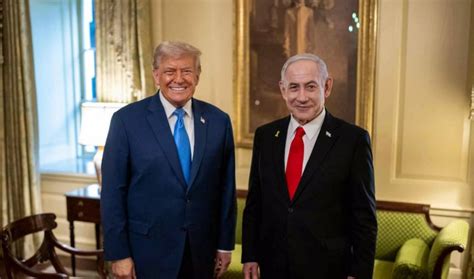
On July 6, 2025, a Department of Justice and FBI memo surfaced, asserting that Jeffrey Epstein, the disgraced financier and convicted sex offender, died by suicide in 2019 and maintained no “client list” of high-profile associates involved in his crimes. The timing of this memo’s release—mere hours before Israeli Prime Minister Benjamin Netanyahu’s visit to the White House on July 7, where he nominated President Donald Trump for the Nobel Peace Prize—raises eyebrows. Is this confluence of events a coincidence, or is there a deeper quid pro quo at play, with Trump potentially suppressing the Epstein case to shield Israel’s interests?
The Epstein saga has long been a lightning rod for speculation, fueled by his connections to powerful figures across politics, business, and global elites. His death in a Manhattan jail cell sparked widespread skepticism, with many questioning the official suicide narrative. The absence of a supposed “client list” has only intensified conspiracy theories, particularly among those who believe Epstein’s activities implicated influential individuals, including those tied to Israel’s intelligence apparatus. Posts circulating on social media have pointedly suggested that Trump’s administration may have quashed further investigation into Epstein’s files to protect Israeli interests, possibly linked to the Mossad, in exchange for Netanyahu’s high-profile nomination.
Netanyahu’s visit, his third to the White House in 2025, was marked by effusive praise for Trump’s “pursuit of peace and security,” particularly in the Middle East. The Nobel nomination, presented during a private dinner, cited Trump’s role in the Abraham Accords and his recent involvement in a ceasefire between Israel and Iran following U.S. strikes on Iranian nuclear sites. Yet, the timing of the DOJ memo’s release, which contradicts earlier claims by Attorney General Pam Bondi about the existence of extensive Epstein files, invites scrutiny. Bondi had previously suggested that thousands of videos and documents were under review, only for the memo to abruptly declare no incriminating list exists.
Skeptics argue this could be a calculated move. The Epstein case has long been a political landmine, with allegations that his network extended to powerful figures, including those with ties to Israel. Some X posts claim that suppressing the Epstein files might protect individuals or entities linked to Israeli intelligence, which has been rumored—though not proven—to have leveraged Epstein’s activities for blackmail. Trump’s alignment with Netanyahu, evidenced by his support for Israel’s military actions in Gaza and his calls to dismiss Netanyahu’s corruption charges, suggests a mutually beneficial relationship. Could the Nobel nomination be a gesture of gratitude for Trump’s willingness to let the Epstein case fade quietly?
On the other hand, the DOJ memo aligns with prior investigations, including the 2023 findings of the DOJ’s inspector general and New York City’s chief medical examiner, which confirmed Epstein’s suicide. The absence of a “client list” might simply reflect the reality that no such definitive record exists, as Epstein’s operations may have been more opaque than popularly believed. The Trump administration’s push for transparency, as claimed by White House Press Secretary Karoline Leavitt, could argue against accusations of a cover-up. Moreover, Netanyahu’s nomination might be a strategic diplomatic move to bolster Trump’s ego and secure U.S. support for Israel’s ongoing objectives, like Gaza ceasefire talks or countering Iran, rather than a direct exchange for burying Epstein’s files.
Yet, the optics are hard to ignore. The abrupt closure of the Epstein inquiry, coupled with Trump’s warm reception of Netanyahu’s nomination, fuels suspicion. Why was the memo released just before such a high-profile visit? If the administration is truly committed to transparency, why have promised Epstein documents failed to materialize in a meaningful way? And why does Trump, who has distanced himself from Epstein publicly, seem unperturbed by lingering questions about the financier’s ties to global power structures?
The American public deserves clarity. If Trump is indeed stifling the Epstein case to curry favor with Israel or other allies, it undermines justice for Epstein’s victims and erodes trust in governance. Conversely, if the memo reflects the unvarnished truth, the administration must do more to dispel the perception of a cover-up. The Epstein case is too consequential to be swept under the rug, and the timing of these events demands a fuller accounting. Until then, the question lingers: Is Trump sacrificing truth for a shiny Nobel nod?