PEAK SOCIALISM: KC City-Backed Grocery Fails Despite $18 Million in Taxpayer Subsidies
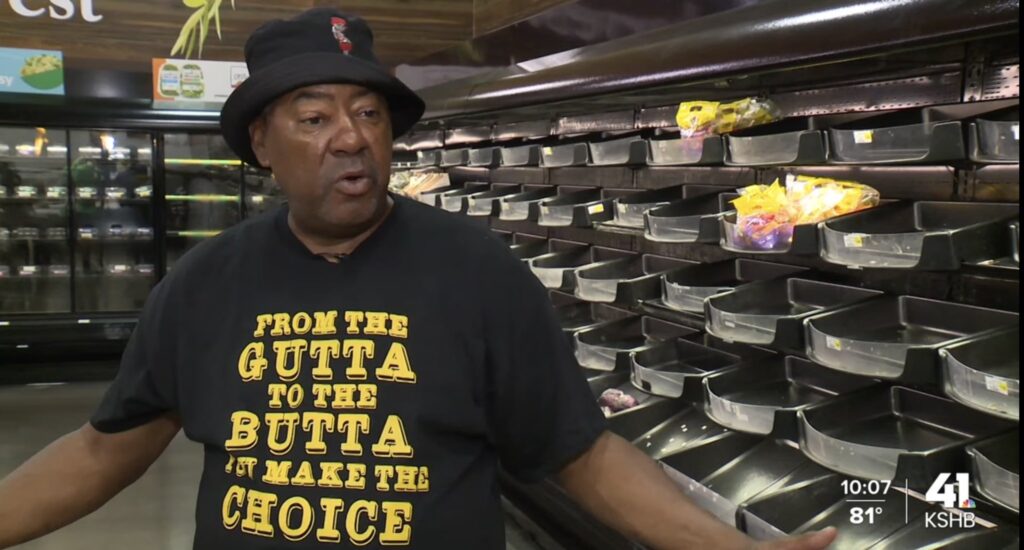
The KC Sun Fresh Midtown grocery store, a government-backed initiative aimed at revitalizing food access in Kansas City’s urban core, has officially shuttered its doors. The closure, announced in August 2025, marks the end of a $18 million investment by federal and local authorities, leaving residents and officials grappling with the reasons behind the failure.
Located in the Linwood Shopping Center, Sun Fresh Market was operated by Community Builders of Kansas City, a nonprofit development company, with the goal of addressing food deserts in the area. Despite an initial influx of 14,000 customers when the store was acquired, foot traffic dwindled to approximately 2,000 by spring 2025, according to Emmet Pierson Jr., President and CEO of Community Builders. The decline, Pierson noted, was not solely due to management but exacerbated by external pressures.

Crime and Homelessness Blamed as Key Factors
Local residents, store employees, and Community Builders have pointed to rising crime and homelessness as the primary culprits behind the store’s demise. “It’s a bad feeling, you know, going down like this, much as we tried to save it,” said a long-time employee identified only as Beal. Reports from KCUR, Kansas City’s NPR affiliate, highlighted incidents of theft and vandalism, which prompted the Kansas City Council to allocate $750,000 in May 2025 to bolster security. However, these measures proved insufficient to reverse the store’s fortunes.
The intersection of retail crime and homelessness has been a growing concern nationwide. A 2024 article from Loss Prevention Media noted that retailers across the U.S. struggle to quantify the impact of homeless populations on store operations, though anecdotal evidence suggests a correlation with increased disorder. In Kansas City, the urban core has seen a notable rise in homelessness, mirroring trends in cities like Los Angeles and New York, where similar challenges have strained retail viability.
Empty Shelves and Rotten Food
Images circulating on social media, including a widely shared post by the Hodgetwins on July 23, 2025, showcased the store’s empty shelves and spoiled produce, sparking online debates about the efficacy of government-run enterprises. The post, which garnered significant attention, labeled the project a “dumb Democrat idea” and questioned the allocation of millions in federal funds. While the political framing stirred controversy, it underscored a broader public frustration with the project’s outcome.
Community Builders’ Pierson acknowledged the organization’s efforts to sustain the store, stating, “We have worked tirelessly to provide food to the urban core.” However, he admitted that the challenges—particularly crime and safety concerns—proved “insurmountable.”
A Broader Debate on Government Intervention
The failure of KC Sun Fresh Midtown has reignited discussions about the role of government in retail. Critics argue that public-sector management lacks the efficiency and market discipline of private enterprises, a view supported by a 2021 study from the Journal of Urban Economics, which found government-run businesses often underperform due to bureaucratic inefficiencies. Supporters, however, point to counterexamples like Singapore’s NTUC FairPrice, a government-linked supermarket chain that thrives under competent leadership and minimal corruption.
Economists suggest that the optimal allocation of resources, a cornerstone of economic efficiency, was undermined in this case by external social challenges rather than the concept itself. “This wasn’t a failure of public funding alone, but of addressing the underlying conditions,” said Dr. Laura Hensley, an urban economics professor at the University of Missouri-Kansas City.
Looking Ahead
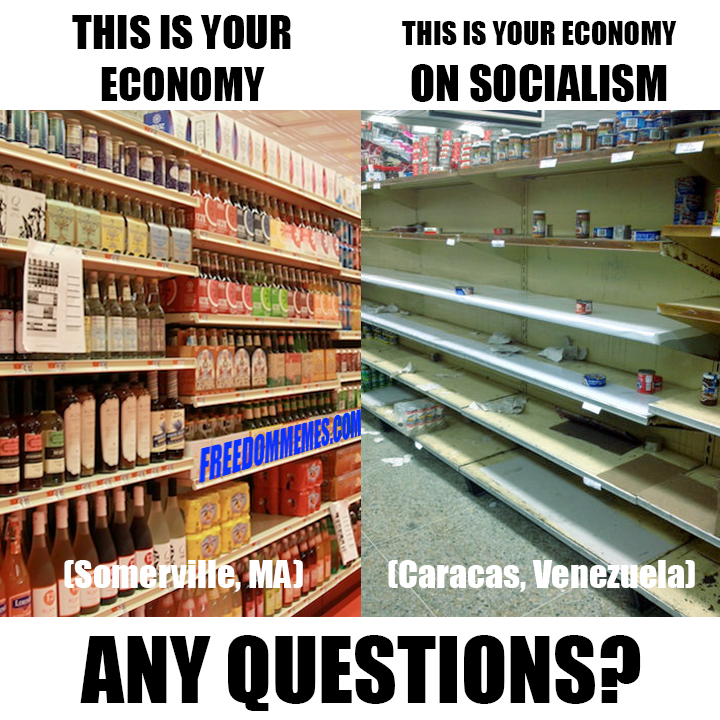
With the store now closed, Kansas City officials are reevaluating strategies to improve food access in the region. Community leaders are calling for increased investment in security and social services to address homelessness and crime, while others advocate for private-sector partnerships to avoid similar pitfalls. For now, the empty shelves of Sun Fresh Midtown stand as a cautionary tale of the complexities involved in government-led urban revitalization efforts.